
3 restaurant start-up mistakes to avoid
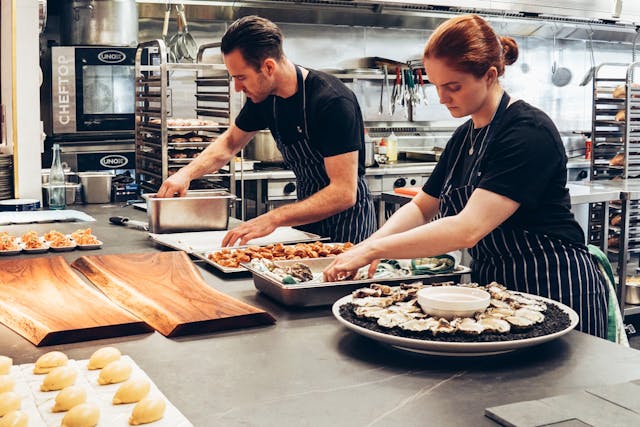
Many people the world over have long dreamed of opening their own restaurants or food service businesses and sharing their food-based skills with the world. While it’s true that some never make it past the dream stage, and others try but crash and burn, many others do so and thrive. It’s important to remember that the food service industry is resilient. Despite the challenges, it has bounced back from the pandemic, and the US sees an average of 50,000 new restaurants per year. This is a testament to the potential for success in this industry, even though there is a failure rate of roughly 17% of new restaurants failing in their first year, over 50% make it past 5 years.
While there are many reasons why restaurants fail, including the high operating costs and the economy, there are many mistakes that people themselves can make that are counterproductive to a successful food-based business. Let’s take a look at them.
1. Not having a clear vision
Opening your new restaurant without a clear vision of what you want it to achieve and where you see it heading can lead to a loss of direction. This can be disastrous before you even welcome the first customers. It’s crucial to define your initial idea, envision a successful venture, and remember your original dream. It’s easy to get caught up in the day-to-day tasks or the potential for growth, losing sight of your original dream. Whether it’s a small bakehouse offering cakes and coffee or a restaurant showcasing BBQ or steak meals, knowing your vision and staying focused on your main objective is key.
2. Not diversifying payments
While you might prefer to operate as a cash-only business to cater to your customer base, it’s important to remember that this can alienate a significant portion of potential customers. Before you even open your doors, it’s crucial to plan how you will accept payments and choose the right merchant to support your business. This adaptability and preparedness will ensure you can cater to a wide range of customers, enhancing your business’s potential for success.
You need to make your ordering and payments seamless and benefit the customer with as little hassle as possible. This means you must look at POS systems that can cope with the demands of taking orders and payments and streamlining your business. Let’s say you are opening a full-service fine dining establishment. Then, you need a full service POS system for restaurants that can handle a range of payments, be flexible for your business, improve communication between kitchen and front-house staff, and support reservation managers.
3. Thinking the food is everything
The food you serve in your restaurant is vital, but if everything else is subpar, then people won’t be back. While you don’t want to offer mediocre dishes that don’t leave people wanting more, you shouldn’t think that the food you serve will be all you need to rely on.
It’s not just about the food. You need exemplary staff, effective management, and high-quality suppliers. Effective management involves everything from creating a strong team to managing finances and operations. You need to deliver top-notch service, maintain clean and hygienic surroundings, and, most importantly, create an ambiance in the dining space that reflects the food you serve and the brand you’re building.


Leave a Reply