
Cooking with wine: Elevating flavour in the kitchen

Cooking with wine is a time-honored culinary technique that adds depth, complexity, and rich flavor to dishes across various cuisines. From the robust notes of a red Bordeaux in a hearty beef stew to the crisp brightness of a Sauvignon Blanc in a delicate seafood sauce, wine brings a sophisticated edge to both savory and sweet recipes. However, to use wine effectively in cooking, it’s essential to understand when, how, and why to use it.
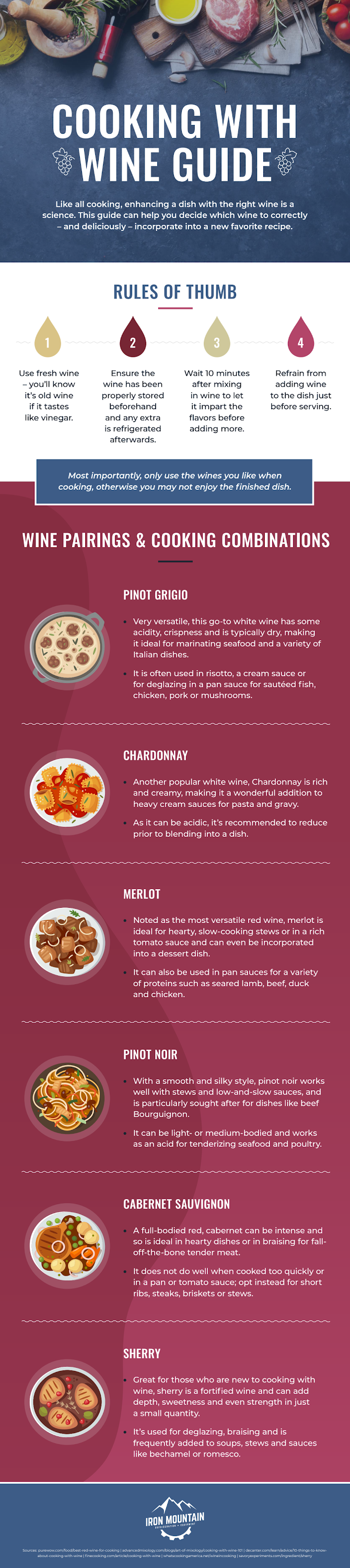
At its core, wine is used in cooking to enhance the flavor of food, not to mask it. The alcohol in wine evaporates during the cooking process, leaving behind nuanced flavors that amplify the taste of other ingredients. Red wines, which tend to be fuller-bodied and more tannic, are commonly used in dishes like braised meats, reductions, and tomato-based sauces. White wines, typically lighter and more acidic, pair well with poultry, seafood, and creamy sauces.
One key rule when choosing wine for cooking is to avoid using a wine you wouldn’t drink. If it tastes unpleasant in a glass, it will likely impart those same qualities to your dish. However, that doesn’t mean you need to cook with your most expensive vintage. Many affordable wines are suitable for culinary use, especially when they have balanced acidity and flavor.
There are three main ways wine is used in cooking: as a marinade, as a cooking liquid, and as a flavoring agent in a finished sauce. When marinating, wine helps tenderize meats and infuses them with flavor. As a cooking liquid—used in stews, risottos, or braises—it adds moisture while also contributing a distinct taste. Finally, a splash of wine in a pan sauce, reduced and combined with herbs or butter, can create an elegant finishing touch.
Proper wine storage is also essential for quality results. Wine used for cooking should be kept in a cool, dark place and sealed properly to prevent oxidation. In commercial kitchens or gourmet food stores, retail display coolers can be an excellent solution for storing wine that is used both for drinking and cooking. These coolers maintain ideal temperatures and visibility, ensuring wines are preserved and accessible for culinary use.
Ultimately, cooking with wine is a balancing act—an opportunity to elevate the ordinary to extraordinary. By selecting the right wine and using it thoughtfully, home cooks and professional chefs alike can unlock deeper flavors and craft memorable meals that linger on the palate. Whether you’re simmering a rich coq au vin or deglazing a pan after searing scallops, wine just might be your secret ingredient.


Leave a Reply