
Are timber frame homes more energy-efficient than traditional homes?
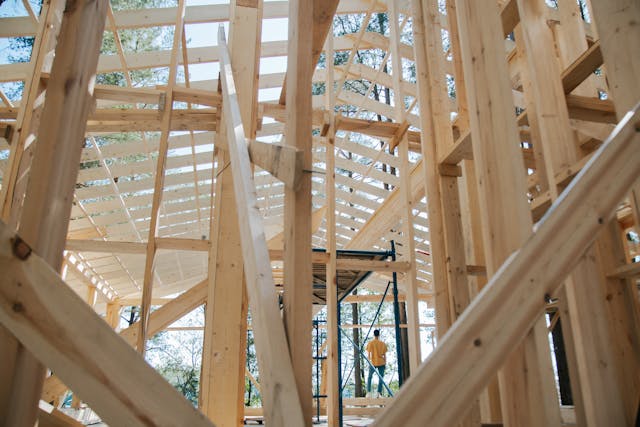
If you’re thinking about building a home and energy efficiency is a top priority, timber frame construction is worth a serious look. With their smart design and ability to incorporate high-performance insulation like structural insulated panels (SIPs) or spray foam, timber frame homes can deliver outstanding thermal performance. Add in the use of renewable energy, and you’ve got a winning combination for sustainability and long-term savings.
In this article, we’ll look at how Hamill Creek Timber Homes—and timber framing in general—can offer impressive energy efficiency that goes beyond the finished home. It starts with thoughtful planning and carries through to the construction process itself.
How timber frame homes promote energy efficiency
Timber frame homes have long been praised for their energy-efficient design. In a world where “green” building standards can sometimes feel vague, these homes offer a clear path to comfort, lower energy costs, and eco-friendly living. But what makes them stand out from traditional builds?
Let’s take a closer look.
Excellent thermal insulation
One of the biggest advantages of timber framing is how well it accommodates insulation. The open cavities between structural timbers provide the perfect space for installing thick layers of high-performance insulation.
Whether you’re aiming to meet Passive House or Net Zero standards, timber frame homes make it easier to achieve those goals. They also have minimal thermal bridging—meaning there are fewer spots where heat can escape through the building materials. The result? Lower energy bills and a home that’s comfortable all year long.
A more sustainable building process
Compared to materials like concrete or steel, timber—when sourced from responsibly managed forests—has a much smaller environmental footprint. Trees naturally store carbon, and timber production doesn’t involve the same energy-intensive manufacturing processes as other materials.
That means building with wood not only saves energy during your home’s lifespan but also reduces emissions during construction. For eco-conscious homeowners and developers, that’s a major win.
Smart use of thermal mass
While timber isn’t as heavy as stone or concrete, it still offers thermal mass benefits—especially when combined with the right insulation. Timber can absorb and hold heat, helping regulate indoor temperatures naturally. This keeps your home warm in the winter and cooler in the summer, reducing your reliance on heating and cooling systems.
Using insulation materials like mineral wool, which allow heat to transfer to the frame, can help maximize this effect for even better energy performance.
Passive solar design
Want to get even more from your timber frame home? Consider passive solar features. By orienting your home to take advantage of sunlight, you can warm your living spaces naturally during the colder months and reduce the need for artificial lighting.
Elements like large south-facing windows and overhangs or awnings can make a big difference. You’ll enjoy a brighter, warmer home—and spend less on electricity and heating.
Airtight construction techniques
Thanks to modern design software and precision manufacturing, timber frame homes can be built with exceptional accuracy. That means tighter joints, fewer air leaks, and better overall energy efficiency.
Why does airtightness matter? Because even small gaps can let heat escape and cold air in—forcing your HVAC system to work harder. A well-sealed home retains warmth better, keeps your energy use in check, and improves indoor comfort.
Conclusion
Insulation plays a major role in the energy performance of any home—and timber frame homes are designed to make the most of it. Whether you’re using cellulose, sheep wool, or another eco-friendly material, you can achieve excellent results. Options like sheep wool insulation, treated with fire-resistant borax, are growing in popularity thanks to their sustainability and performance.
When you work with experienced timber frame builders like Hamill Creek, you benefit from a building approach that’s naturally aligned with energy conservation and environmental responsibility. With smart planning, quality materials, and a focus on airtightness and solar design, you’ll end up with a home that’s not only beautiful—but built for comfort and long-term savings.


Leave a Reply