
Practical solutions for improving and maintaining your outdoor space
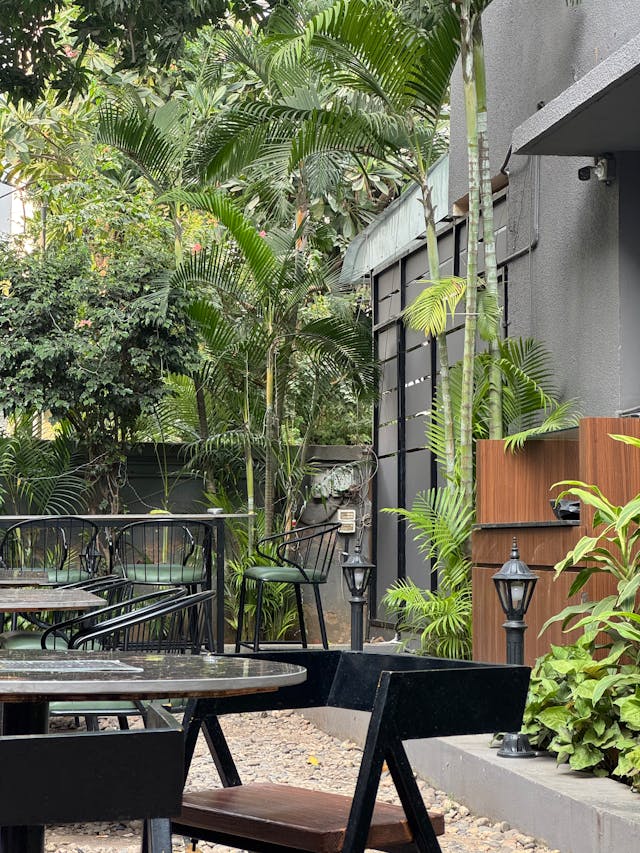
A well-maintained outdoor space does not happen by accident. It is the result of considered decisions about drainage, planting, materials and ongoing management, made by people who understand both what they want from the space and what is actually required to achieve it. Whether you are working with a domestic garden, a commercial courtyard or a larger landscaped area, the same principles apply good design, proper infrastructure, and regular maintenance are what separate an outdoor space that works from one that constantly presents problems.
Drainage is one of the least glamorous but most consequential aspects of any outdoor space. Without it, heavy rain events turn lawns into mud, paths into rivers, and low-lying areas into temporary ponds. Beyond the immediate inconvenience, poor drainage can cause long-term damage to paving, structures and planting. A properly installed drainage gully is a fundamental component of any drainage system, channelling surface water away from vulnerable areas and directing it safely to a suitable outlet. Getting drainage right early, ideally as part of an initial landscaping project, saves considerable time and expense later. Retrofitting drainage to a finished outdoor space is always more disruptive and more costly than incorporating it from the start.
The planting and landscaping of an outdoor space is where expertise makes the most visible difference. While enthusiastic amateurs can achieve good results with patience and learning, a professional approach brings knowledge of soil conditions, plant compatibility, seasonal performance and long-term maintenance requirements that is simply hard to replicate without years of experience. Professional garden landscaping services transform an outdoor space in ways that go beyond simply making it look attractive right now. The best landscaping considers how the space will develop over time, which plants will mature together, how the design will hold up through different seasons, and how maintenance requirements can be managed realistically. The result is an outdoor space that genuinely improves over time rather than one that requires constant intervention to maintain.
For properties that use or have used oil-based heating, the condition of the storage tank is an aspect of property maintenance that can easily be overlooked. Oil tanks have a finite lifespan, and a tank that is ageing or poorly maintained presents both a safety and an environmental risk. Regular professional oil tank inspection identifies potential issues before they become problems. Inspectors check for structural integrity, evidence of leakage, compliance with current standards, and the condition of fittings and connections. For property owners who rely on oil heating or who have inherited a tank with a property, knowing its exact condition is essential before investing in refilling it or, more importantly, before a failure causes a spill that can have serious environmental and financial consequences.
These three areas, drainage, landscaping and tank maintenance, represent a sensible framework for thinking about outdoor space management. They address different aspects of the same overall challenge: keeping an outdoor space functioning well, looking its best and free from the kind of deferred-maintenance problems that tend to grow more serious and more expensive over time.
There is also a quality-of-life dimension to all of this that is worth acknowledging. A well-designed, well-drained, attractively planted outdoor space is genuinely enjoyable. It is a space where you want to spend time, where children can play safely, where the view from a kitchen window is a source of pleasure rather than a reminder of a job not yet done. The practical and the aesthetic are not in competition here. Getting the practical foundations right is what allows the aesthetic potential of an outdoor space to be fully realised.
Approaching outdoor maintenance as an investment rather than a cost is the mental shift that tends to produce the best outcomes. Proper drainage prevents expensive structural damage. Good landscaping adds real value to a property. Regular tank inspections prevent catastrophic failures. Each of these interventions costs less than the problem it prevents, which is the most straightforward possible case for doing them well and doing them on time.


Leave a Reply