
Baby on board: Driving mistakes new parents must avoid
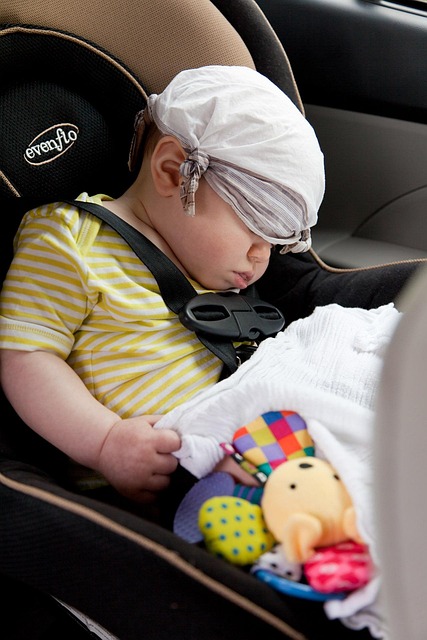
Bringing a baby home for the first time is a life-changing event for new parents. Everything you do for the little one seems to be risky and leaves you constantly worried. Is the baby’s crib too cold? Have you missed out on their feed? Does the baby look unwell? Wait until you start taking them along for drives.
Driving with your newborn can be just as nerve-wracking as your first driving test. The state of US roads is not exactly good when it comes to safety. Reuters reports that 39345 traffic fatalities occurred in 2024, falling 3.8% and the lowest number since 2020. However, fatalities still remained above the pre-pandemic levels.
New parents often make avoidable mistakes behind the wheel, and these can put their little ones at risk. We will explain what to watch out for and how to ensure safe rides with a baby on board.
Mistake #1: Not knowing when to drive
According to healthychildren.org, road trips may be a better option than flights when traveling with a young infant. Planes can expose little ones to more germs than cars with fewer people around them. Moreover, you have more flexibility during road trips as you can schedule them according to your baby’s needs.
However, new parents sometimes underestimate the importance of timing their journeys. First thing, you may not want to plan a long trip with a preemie or a very young baby. Also, newborns have unpredictable needs and may become uncomfortable or distressed if kept in a car seat for too long.
Plan your trips beforehand, allowing for frequent breaks to feed, change, and comfort your baby. It is a good idea to avoid long, uninterrupted drives. Also, always be prepared to stop if your baby needs attention. Overlooking these common-sense basics can ruin your trip.
Mistake #2: Not investing in a car seat
A car seat is the single most important safety measure when you have a baby on board. Never carry your precious one in your arms or lap when driving or riding. It is the worst mistake you can make, and it can even land you in trouble with the law. Using a properly installed, age-appropriate car seat can lower the risk of injuries in the event of a crash.
The National Highway Traffic Safety Administration highlights the importance of investing in car seats and booster seats. While these seats provide protection for infants and children, car crashes still are a leading cause of fatalities for children aged 1-13 years.
Since you may need to switch to different seats over the years, know when to change it.
Practice removing and reinstalling it before your baby’s first ride. Also, understand when to transition to a seat belt as your baby grows up.
Mistake #3: Not committing to defensive driving
Defensive driving is non-negotiable, but it becomes even more crucial when you have a baby on board. Driving with a little one requires heightened awareness and defensive driving skills. Stay focused at all times, keep your speed in control, and maintain a safe following distance. Never turn around to check on your baby while driving as it can be the worst mistake.
Besides driving defensively, keep an eye on the road to watch out for negligent drivers. Stay updated on the road safety statistics in your area. According to a recent report, St.Louis, Missouri has been identified as a truck accident hotspot. More truck crash deaths are reported here than in any of the 113 counties in the state.
Truck collisions can be fatal when traveling with a tiny passenger, so avoid highways and rush hours. If disaster strikes, a St. Louis truck accident lawyer can help you seek justice and compensation. But injuries to a baby can be traumatic, and cannot be paid for, no matter how big the compensation.
TorHoerman Law notes that truck accident lawsuits are complicated and high-value in terms of settlements. Sometimes, trucking companies are involved making them even more complex. Prevention with caution is the best approach as even a momentary lapse in attention can be hazardous.
Mistake #4: Driving alone with a baby
Whenever possible, avoid driving alone with your newborn because it can be a mistake you may regret. The situation can be stressful, especially on longer journeys. Babies are unpredictable, and they may need to be changed or fed in the middle of nowhere. Imagine having to stop your car on a lonely highway or street to feed or change your baby’s diaper.
Always have a co-passenger as another adult in the car can be a savior. They can tend to the little one’s needs while you focus on driving. This reduces unnecessary distractions and ensures your baby remains safe and calm throughout the trip.
You can even share turns behind the wheel when you feel tired. This will give you a chance to relax and play with your bundle of joy during your breaks.
FAQs
Can I hold my baby in my arms in a car?
No, you should never hold your baby in your arms while in a moving car. An unrestrained child becomes a projectile if the car suddenly stops or crashes. This can lead to a high risk of serious injury or death. You should avoid this even at low speeds. Always use an approved car seat that is properly installed.
What is the safest place for an infant in a car?
Babies should be positioned in a rear-facing car seat, placed in the back seat of the car. The center rear seat is recommended as it is farthest from potential points of impact. However, if your car seat cannot be securely installed in the center, place it behind the front passenger seat. This enables easier access and visibility.
What is car seat baby syndrome?
Car seat baby syndrome refers to the risks of leaving a baby in a car seat for prolonged periods. Although having a car seat for a baby is essential, letting them stay there for extended time can cause several health issues. These include breathing difficulties, positional asphyxia, or even suffocation.
Driving with a baby on board is a huge responsibility for parents, and there is no room for error. Even the smallest mistake can cause harm to your little one. Always follow the rules of safe and defensive driving, and steer clear of these mistakes. By doing so, you can have safe and stress-free rides with your bundle of joy.


Jack Reynolds
This article is incredibly helpful—it highlights safety in such a clear way while reminding new parents of the small mistakes that can make a big difference. A must-read for anyone driving with their little one.
Nicole
Thank you. Glad you found it helpful.