
A guide to exploring mindfulness with your child
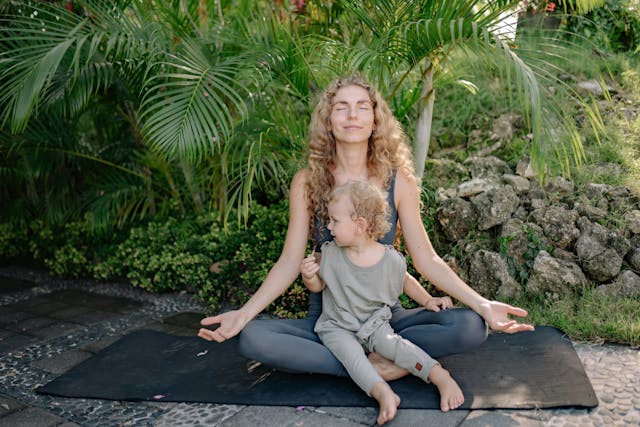
Mindfulness is a powerful tool that can help children develop self-awareness, emotional regulation, and a sense of calm. By practicing mindfulness together, parents can help their children cultivate focus, resilience, and a positive mindset. Here are some strategies from a Prep School in Liverpool to explore mindfulness with your child.
1. Model mindfulness in daily life
Children learn by example, so practice mindfulness in your own life. Show them how to pause, take deep breaths, and engage in the present moment. Demonstrating mindfulness in everyday situations will encourage them to do the same.
2. Encourage deep breathing exercises
Teach your child simple breathing techniques to help them calm down and focus. One easy exercise is “balloon breathing,” where they imagine inflating a balloon with each deep inhale and slowly releasing air with each exhale.
3. Practice mindful listening
Encourage your child to listen carefully to the sounds around them. This could be the chirping of birds, the ticking of a clock, or the rustling of leaves. Practicing mindful listening helps improve focus and awareness.
4. Use guided imagery
Invite your child to visualise a peaceful place, such as a quiet beach or a sunny meadow. Ask them to describe what they see, hear, and feel. This practice helps them develop relaxation skills and a positive mindset.
5. Create a mindful routine
Incorporate mindfulness into your child’s daily routine. Whether it’s taking a few deep breaths before meals, stretching in the morning, or reflecting on the day before bed, small mindfulness practices can make a big difference.
6. Engage in mindful movement
Activities like yoga, stretching, or slow walking can help children connect with their bodies and emotions. Encourage them to move mindfully, paying attention to how their body feels with each movement.
7. Encourage gratitude practice
Help your child develop an attitude of gratitude by reflecting on things they appreciate. This can be done by keeping a gratitude journal or simply sharing one thing they are grateful for each day.
8. Teach mindful eating
Encourage your child to eat slowly and pay attention to the flavours, textures, and smells of their food. This practice fosters an appreciation for food and helps build healthy eating habits.
9. Use mindfulness to manage emotions
Teach your child how to use mindfulness techniques when they feel upset or overwhelmed. Encourage them to pause, breathe deeply, and observe their emotions without judgement before reacting.
10. Incorporate mindfulness through play
Engage your child in mindful activities like colouring, building with blocks, or playing with sensory materials. These activities encourage focus and relaxation while keeping mindfulness fun and engaging.
By incorporating mindfulness into your child’s daily life, you can help them develop essential skills for emotional well-being and self-awareness. Encouraging regular practice will allow them to navigate life’s challenges with a sense of calm and balance.


Leave a Reply