
Why activity camps are genuinely good for children
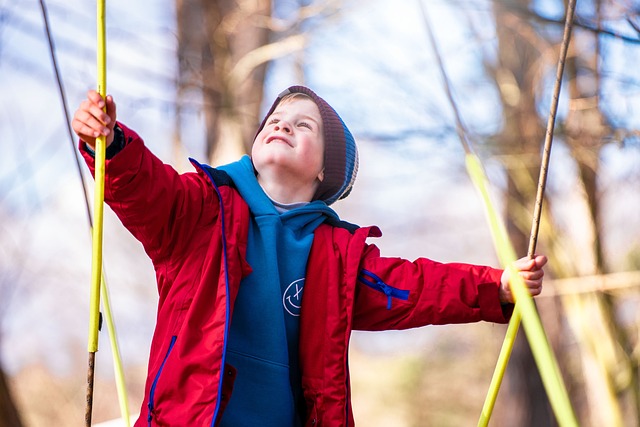
For many children, the weeks of summer holiday that feel most vivid in memory are the ones spent at a camp – the new skills, the unlikely friendships and the particular satisfaction of a day spent entirely in physical activity and fresh air. Holiday and activity camps have a tendency to be underestimated by adults who have not experienced them recently. The reality of what a well-run camp offers children is often more impressive than expected.
Confidence through new challenges
Activity camps expose children to activities they may never have tried: archery, kayaking, climbing, team games, arts and crafts, performing arts and more. Each new activity is an opportunity to discover competence in an unfamiliar area, and the low-stakes, supportive environment of a good camp makes this discovery feel safe. Children who arrive hesitant frequently leave with a new skill and a significantly revised sense of their own capabilities.
Social skills in a neutral environment
One of the most valuable things a camp offers is the opportunity to form new friendships outside the established social dynamics of school. Children who might be positioned firmly within a particular social role at school arrive at camp as an unknown quantity. The result is often a social freedom that allows them to be more fully themselves. Children who struggle socially at school sometimes find that camp is the place where they discover they can actually make friends very easily.
Physical activity and mental health
The evidence linking physical activity to mental wellbeing in children is substantial and consistent. Active children show lower rates of anxiety and depression, better sleep, stronger self-esteem and greater resilience in the face of academic pressure. Well-established providers of holiday activity camps understand the importance of keeping children active, socially connected and genuinely enjoying themselves across the holiday period.
Club Excel offers a wide range of holiday activity camps for children of all ages, designed around genuine enjoyment, physical activity and personal development.
Independence and adaptability
Even day camps ask something of children for independence. Managing their own belongings, navigating a new environment, making decisions without parents present and adapting to a different routine all build practical independence in ways that can be harder to achieve in highly familiar settings. For children who are preparing to transition to senior school, the confidence built at camp can be genuinely useful.
The lasting value of fun
Not everything in childhood needs to be explicitly developmental. Sometimes the value of an activity is simply that it is joyful, memorable and energising. Children who spend their summers doing things they genuinely love – activities that produce laughter, friendship and the particular satisfaction of being good at something – carry that energy back into school with them.
Activity camps are much more than childcare solutions for working parents, though they serve that purpose well. At their best, they are transformative experiences that build confidence, friendship, physical competence and joy in children who are lucky enough to attend.


Leave a Reply