
The benefits of interactive games for children
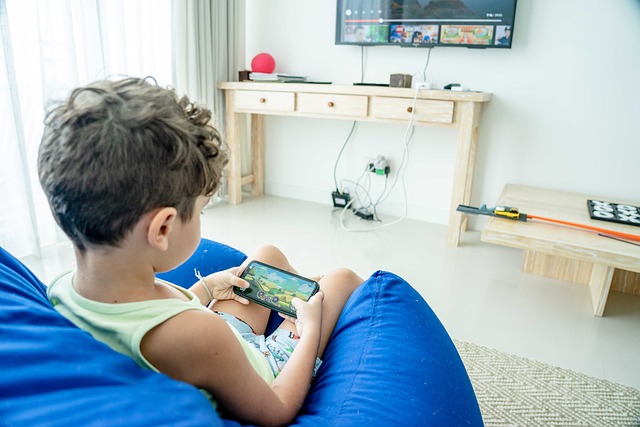
Technology can be great for children for their learning and development. It equips children with digital skills for the future and interactive games in particular can help them with their hand eye coordination, visual intelligence (or their ability to analyse and understand the visual information around them), teamwork and creativity. Most games have an element of problem solving which stimulates their imagination and strengthens their ability to come up with new, innovative ideas.
Helps with short attention spans
Young children and their ability to concentrate is fascinating. You can lose their attention within a matter of minutes if what you’re presenting them with is not interesting. It’s why conventional teaching methods don’t work, and interactive games exist. They keep children engaged and can help them to take on board new content.
Teaches kids to handle failure
Games also help children to accept and learn from their mistakes. They get used to winning and losing which can help them in dealing with failure and developing resilience. It’s a vital life skill that they will need to get back up after their setbacks.
Boosts achievement and self-esteem
To follow on from the point above, the opportunity to win and succeed can be beneficial for children in the development of their self-esteem. It enables them to identify their strengths and paints a positive self-image.
Improves memory and digital skills
Interactive games have various ways of keeping children engaged. They challenge children to beat their previous attempts as well as others. Quizzes offer rewards and test their memory which can help them in memorising key pieces of information and strengthening the part of the brain responsible for learning and memory – the hippocampus.
Technology is all around us and is the way forward, and interactive games help children familiarise themselves with technology at an early age, which will only benefit them in later years.
Gets kids to be more active and helps with social skills
There are lots of different forms that interactive games can take. The simplest of them is “Twister” which encourages children to get moving. A game like this can improve a child’s strength (gross motor skills), flexibility and overall physical health.
Multiplayer games often involve teamwork so children must learn to cooperate and trust one another. This prepares them for the real world where they must work with others and fulfil their commitments.
While these are undoubtedly great benefits, it’s also important to keep screen time in mind and ensure that children have plenty of opportunity for unstructured play.


Leave a Reply