
7 tips for creating a shared bedroom both kids will love
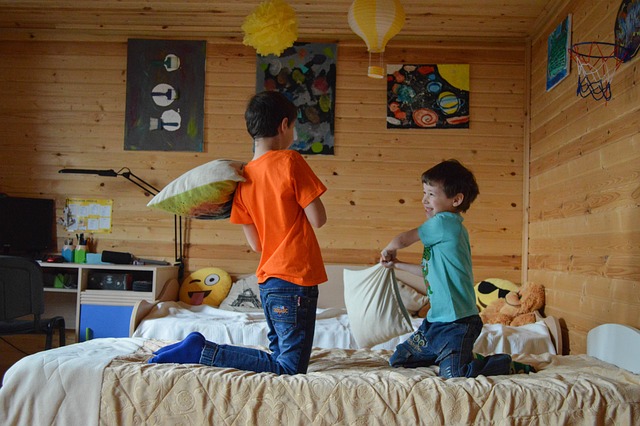
Designing a shared bedroom for kids can be a challenge, especially if they have different personalities and interests. However, with some careful planning and consideration, it is possible to create a space both kids will love.
Here are some tips to help you get started, from ways with colour to using a storage unit to win the battle against clutter.
1. Get them involved
The first step in creating a shared bedroom everyone will love is to involve your kids in the design process. The level of involvement depends on their age, of course, but even toddlers can be surprisingly strong-willed.
Ask your kids about their preferences, favourite colours, and what kind of furniture they would like to have in their room. You can then create a design plan that incorporates their individual ideas.
Giving them some say in how the room will look not only encourages a sense of ownership and pride, it can also help them to respect each other’s personal space.
2. Use colour to divide the room
One of the biggest challenges in designing a shared bedroom is creating separate areas for each child. One way to do this is to use colour to divide the space. Consider using a different colour for each child’s side of the room, or using a single colour scheme that reflects both of their favourite colours.
Other ways to introduce individual colour preferences is through accessories or furnishings such as bedding, bedside rugs, painted shelves, or bedside tables.
3. Create storage solutions
Organisation is key in a shared bedroom. With two kids sharing a space, it can be easy for things to become cluttered and disorganised. One way around this is to have personalised storage such as labelled bins or cubbies, or designated space on a shared shelf, maybe painted a different colour to make the division obvious.
Simple ideas like this make it easy for each child to keep their belongings separate and organised. It might not completely stop arguments, but it will help you referee and keep things fair.
4. Add personal touches
Children can sometimes feel like their individuality is threatened when they share a space. Make sure there’s an area where each can personalise their displays or decorations to reflect their own personality, hobby, or style.
Posters, artwork, or themed decor can all work well. If one child loves music, for example, consider adding a musical instrument or themed wall art to their side of the room. If the other child loves sports, consider adding sports-themed bedding or wall decals to their side of the room. Here are some ideas on transforming your kids’ bedroom and making it fun and funky!
5. Use bunk beds, loft beds and flexible furniture
Bunk beds or loft beds can be a great option for a shared bedroom. They allow each child to have their own sleeping area while saving floor space. If you’re short on space, consider using a bunk bed with a desk or storage underneath.
Flexible furniture can also be a great option for a shared bedroom. Choose pieces that can easily be rearranged or used for multiple purposes. For example, a desk that can be used as a bedside table, or a storage ottoman that can be used as seating.
If there’s enough space, you could also use room dividers or screens for when each child wants a bit of privacy.
6. Have regular purges
Kids go through fads and phases when it comes to hobbies or favourite toys. One year it might be all about tents and pretend kitchens, the next year it’s wobble boards, hoops, or climbing frames.
If you can, keep an eye on changing play preferences so you can keep their bedroom clutter-free and as spacious as possible. Packing up abandoned items and storing them away is a good idea because trends return, and those things are expensive to replace. You might also want to save loved items in self storage for posterity, or to hand down to younger family members.
7. Keep it simple
Finally, when designing a shared bedroom, it’s important to keep it simple. Avoid clutter as far as possible and keep the room functional.
A minimalist design can help create a peaceful and calming environment for both kids to enjoy. Keep in mind that the focus should be on creating a space that is comfortable and functional, rather than trying to cram too many things into a small space.
We can’t promise total peace and harmony, but with enough personalisation and everybody knowing their boundaries, it is possible to make a shared room a great place for kids to be.


Leave a Reply