
6 tips for a high-protein diet
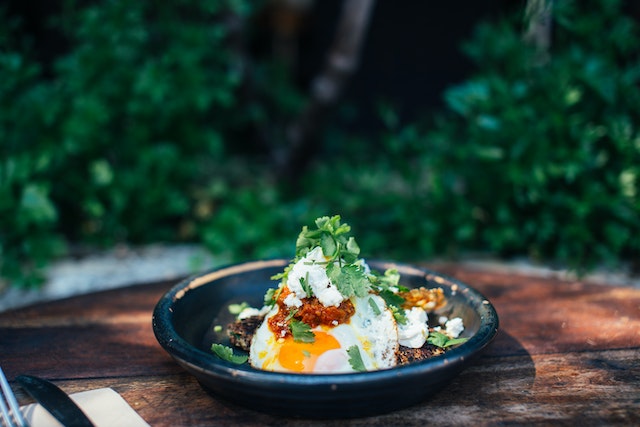
Are you looking to get stronger, attain a healthier weight, or simply eat healthier? If yes, make sure a protein-based diet is part of your self-care routine. A high-protein diet helps keep your hunger in check and offers many health benefits, including muscle growth, repairing tissues, and regulating metabolism.
So, how can you increase your protein intake? Well, you can easily do it by making some small changes to your daily diet, such as snacking on cheese or replacing cereal with eggs and other foods that not only tempt you to take fewer calories throughout the day but also make you feel full.
Thus, if you have decided to boost your protein intake for a healthier you, read on. In this article, we will discuss the six tips for a high-protein diet that will not only fuel your day with nutrients but also keep you feeling satisfied and healthy. So, without further ado, let’s get started!
1. List down the protein sources
The foremost step to increase your protein intake is to list down all the top protein sources or foods. Also, you should switch it up between plant-based and animal proteins, as having a varied diet is indeed healthy. For instance, to ensure meat-based proteins, you can add fish, meat, and dairy to your daily intake. Foods include Greek yogurt, salmon, pork tenderloin, tuna, chicken breast, and more.
Similarly, for vegan-based food items, try adding tempeh, edamame, beans, tofu, lentils, soy milk, nutritional yeast and chickpeas to your daily routine. Also, as much as you should be considerate about taking enough portion of protein every day, pay equal attention to cooking preferences.
For instance, avoid overcooking veggies and try to consume them raw or steamed; similarly, you should know how long to boil a chicken thigh or salmon to make sure the food is tender and hygienic enough to eat.
2. Eat proteins first
When having supper or any other meal of the day, make sure to eat proteins first, especially before getting to the starches. Protein boosts the production of a gut hormone known as a peptide (GLP-1) that makes you feel satisfied and full while reducing your temptation to eat more or take more carbohydrates.
Moreover, starting your meal with a high protein intake significantly decreases the ghrelin levels or the ‘hunger hormone’ while increasing the body’s metabolic rate after eating and during sleep. This means reduced appetite without struggling to finish your entire meal while getting more protein in your diet. Most importantly, eating protein first also helps keep your insulin levels and blood sugar from rising too high after the meal, a great benefit for people with type 2 diabetes.
3. Add chopped almonds to your food
One of the easiest ways to increase protein intake in your everyday meals is to top your food with chopped almonds. As we know, almonds are incredibly healthy and are high in fiber, magnesium, and heart-healthy monounsaturated fat and low in digestible carbs. Moreover, they contain almost six grams of protein in just 1 ounce, i.e., 28 grams per serving, making it one of the top protein sources compared to all other nuts combined.
While most people believe that one serving of almonds provides 170 calories, which may be too high for daily intake, many studies have concluded that our bodies only absorb about 133 of those calories as most of that fat is not digested. This means that you can easily sprinkle chopped almonds (a few tablespoons) over cottage cheese, yogurt, oatmeal, or salads to boost your protein intake without having a separate meal altogether while adding a bit of crunch and flavour.
4. Opt for protein-packed snacks
Start calling snack time your protein time. If you believe you are a serial snacker, consider it a golden opportunity to have more protein in your everyday routine. One of the best advantages of opting for protein-packed snacks is that you will feel fuller for longer, particularly if you are habitual in picking or reaching out to sugary options during snack time.
So, replace your unhealthy snacks and instead try high-protein – affordable and tasty. Some great snack alternatives include a can of tuna, boiled egg, homemade protein balls, a stick of cheddar, veggie sticks with nut butter, a handful of seeds or nuts, roasted edamame, or even chickpeas.
5. Enjoy whole grains
When it comes to a protein-rich diet, one of the first things that comes to mind is whole grains. They are not only rich in important nutrients like vitamins, fibers, antioxidants, and minerals but are also easily digestible and incredibly healthy for your metabolism. The best part is that they also help in increasing your protein intake easily and instantly.
For instance, you can start with having one cup or 185-gram serving of cooked quinoa that contains approximately 8 grams of protein, or you may go with cooked amaranth that offers more than 9 grams of protein/cup, i.e., 246 grams. To your surprise, this is way more than having refined grains in your diet, like white rice, which contains just 4 grams of protein per 158 grams or cooked cup.
Some of the other great examples of protein-based whole grains include couscous, buckwheat, millet, wild rice, and even teff. So, start today and swap your refined grains with these ingredients in recipes like stir-fries, pilafs, and grain salads.
6. Start your day with a high protein breakfast
We all like to have traditional breakfasts like cereal, toast, or breakfast bars and find it convenient; however, these items don’t pack in much protein. Thus, as you wish to include more proteins in your diet, you also need to switch up your breakfast and include high-protein items to increase your protein intake by almost 15+ grams daily instantly.
Also, having a protein-rich breakfast is super easy. All you need is to try some of the most recommended combinations, like adding berries, nuts, and seeds in a Greek yogurt bowl. You can use veggies in scrambled eggs, add cheese to an omelet or Frittata, have pancakes made with eggs, or, for a more vegan option, eat protein porridge or chia seed pudding.
The best part is when you have a high-protein breakfast; it makes you feel fuller for longer. Similarly, you can go for protein shakes or make smoothies with nutritious ingredients.
The final words…
Getting a protein-rich diet is not only beneficial for obese people looking to lose weight or lean people hoping to gain muscles but for all individuals who prefer to stay healthy with good metabolism. It offers numerous benefits by improving your body composition and can be added to your daily meals in various ways. So, follow the simple tips above and improve the quality of your life by staying healthy, that too, effortlessly. Good luck!


Leave a Reply