
Tips to teach your child to skate
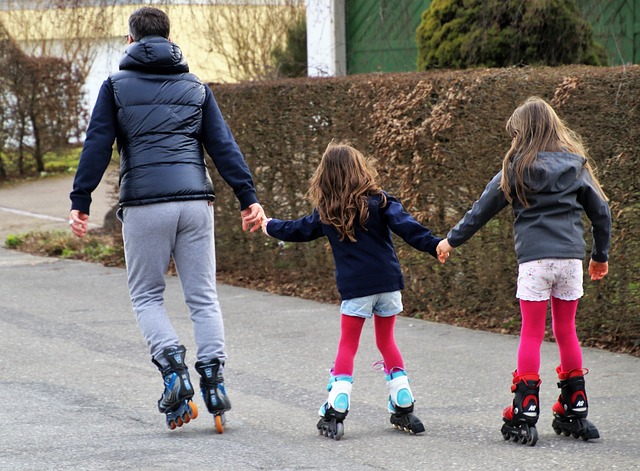
Growing up, I wasn’t very sporty (not much has changed even now), but there were a few sports/ activities I thoroughly enjoyed such as badminton, biking (cycling) and skating; the latter two especially gave me a sense of freedom I revelled in as a child. While I’ve already penned a post on teaching your (anxious) child to ride a bike (based on tried-and-tested tips while teaching Little Man to ride a bike during the lockdown), here’s a post on useful tips to teach your child to skate.
The best part about roller skating is that kids can learn it at a fairly young age – all you need is the right gear, loads of encouragement and a few tactics to ensure your child is skating safely and enjoying the process.
1. Make sure you have the right gear
The first – and most important – step to learning any new sport is ensuring you have the appropriate gear. This is especially important for children learning to skate as falls will be inevitable (they are, after all, learning to move on wheels). Make sure they have the appropriate pair of roller skates to learn on (remember, skates need to fit snug so their foot doesn’t move inside the skate) as well as appropriate protective gear.
Start with four-wheel skates (quad skates) before moving on to two-wheel roller blades (inline skates) as it is easier to learn to balance on four wheels as opposed to two. There is a wide range of skates and protective skating gear available in sports shops or online to help you get started.
And lastly, don’t make your littles wear jeans when skating as they restrict leg movement. Joggers, sweatpants or leggings are the best option.
2. Start on a soft surface
As mentioned earlier, falls are inevitable in the beginning as your child learns to balance on wheels. So start on a soft surface such as a carpet or grass or soft-fall rubber surfaces as seen in children’s playgrounds.
It’s important that your child first gets a feel of the skates and standing on wheels, so start with simply making them stand in one place (holding either your hand or a railing). Then make them walk (more like march) in small steps while holding onto someone or something. Once they are more confident and have got their balance, go a little faster and start gliding then rolling. Doing this on a soft surface helps them get a feel of their skates and get used to the momentum without the fear of getting hurt.
3. Teach the correct posture
Learning the right posture is half the battle won when it comes to skating. This is crucial as it gives them stability and control while they work on their form. The toes should be pointing out, heels pointing inwards, knees bent and the torso leaning slightly forward.
4. Show them ‘how to fall’ and other safety techniques
This might sound silly but learning the correct way to fall is extremely important in skating. Falling correctly can prevent injuries and also boost your child’s confidence rather than instilling a fear of skating. Another essential safety technique to teach your child is how to stop by using their toes a.k.a toe stops i.e. digging the toe of the skate into the ground.
5. Be patient and encouraging
As with teaching children anything, patience is key. It is new territory for them (they aren’t on their feet anymore, after all) and the fear of falling flat on their face can be frightening, but constant encouragement (and practise) will help them overcome their fear. Don’t laugh at them when they fall; instead let them know that falling is a part of the learning process and it’s okay to fall.
5. Skating etiquette is essential too!
And last but not the least, make sure you teach your child the correct skating etiquette too, or, in other words, the ‘rules of the skating road’! For instance, if they are skating in a rink, make sure they are skating with the flow of the traffic and not against it.


Leave a Reply