
Do baby sleep sacks replace traditional blankets: Understanding modern bedding choices
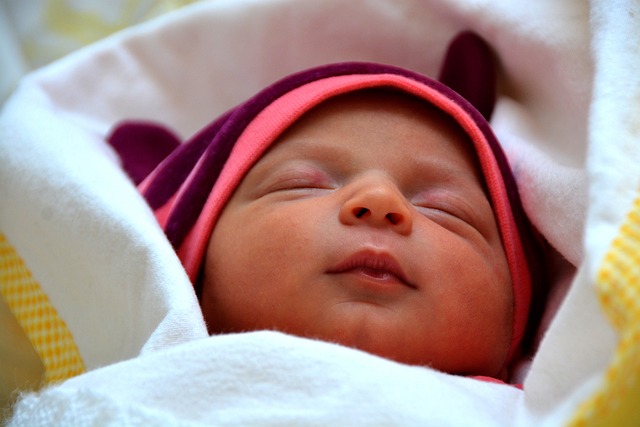
As parents explore options for their infants’ safe and comfortable sleep, baby sleep sacks are becoming increasingly popular as alternatives to traditional blankets. Unlike loose bedding, which can pose risks of suffocation, sleep sacks are wearable blankets designed to provide warmth without compromising safety. They fit comfortably around your baby, with armholes and sometimes a neckline, ensuring the fabric stays away from the face. This design not only reduces risk but also helps maintain a consistent temperature throughout the night for your baby.
Opting for a baby sleeping sack online offers a convenient way to view and choose from a wide array of designs and fabrics to suit your baby’s needs. These sacks come in various sizes to accommodate growing infants and are made from different materials to provide comfort in all seasons. They reduce the transition from swaddling to more freedom of movement, allowing babies to self-soothe and move their arms while still feeling secure.
Understanding sleep sacks
Baby sleep sacks, also known as wearable blankets, are designed to keep your baby warm and safe during sleep, offering an innovative alternative to traditional blankets.
Sleep sacks are essentially blankets that babies can wear. Unlike traditional blankets, they reduce the risk of loose bedding in the crib, which can cause accidental suffocation. These pouch-like apparels typically have armholes or sleeves and are sealed at the bottom to enclose your baby’s body.
Benefits over traditional blankets
Safety is the primary benefit of choosing a sleep sack over a blanket. They are generally considered safer for infants as they can’t be kicked off during the night, which helps maintain a constant temperature. Sleep sacks also allow babies to move freely, reducing the likelihood of hip dysplasia associated with tight swaddling.
Types of sleep sacks
There’s a variety of sleep sack types to meet different needs. For instance, you have swaddles for newborns, which provide a snug fit for a calming effect. Then, there are wearable blankets for older infants that offer more room for movement. Weighted sleep sacks, designed for a soothing effect, mimic the feeling of a gentle hug.
Selecting the right size and material
Choosing the right size and material for the sleep sack is crucial. They come in various sizes to match the age and weight of the baby. As for fabrics, options include cotton, organic cotton, bamboo, wool, merino wool, fleece, and polyester. The thermal overall grade (TOG) of a sleep sack indicates its warmth, with a higher TOG rating being suitable for cooler conditions. You should select the fabric and TOG rating considering the usual room temperature and season to keep your baby comfortable.
Safety and best practices
In addressing the safety and best practices associated with baby sleep sacks, it is crucial to focus on ensuring optimal temperature regulation, proper transitioning from traditional swaddling, and comprehensive care and maintenance to support the well-being of infants.
Optimal usage and temperature regulation
To prevent the risk of overheating, which can be a contributing factor to Sudden Infant Death Syndrome (SIDS), it’s essential to consider the temperature regulation capabilities of sleep sacks. Pediatricians recommend choosing a sleep sack with the appropriate thickness for the room’s temperature. As a guideline, infants should be dressed in no more than one extra layer than an adult would use to be comfortable in the same environment. Always ensure your baby’s head remains uncovered during sleep to facilitate effective heat dissipation.
Transitioning from swaddle to sleep sack
When your baby shows signs of rolling or is able to roll over, it’s time to transition from a swaddle to a sleep sack. This is typically around the age of 2-4 months. A sleep sack allows the baby to sleep with arms free, which is essential for their safety; infants need to have their arms free to push themselves up if they happen to roll onto their stomachs, reducing the risk of suffocating. Sleep bags offer a good fit for comfort but are designed for safe sleep once the swaddling phase has concluded.
Care and maintenance
For ease of use and to sustain safety, inspect sleep sacks regularly for signs of wear and tear, such as loose threads or broken zippers and snaps. Always follow the manufacturer’s instructions for washing and drying to maintain the integrity of the materials. Some sleep sacks come with two-way zippers or inverted zippers to make diaper changes easier without undergoing full undressing. For example, sleep sacks like infant sleeping bags with velcro wings should be closed during laundry to prevent snagging. Additionally, confirm that the sleep sack is well-sized for your baby’s height to prevent them from slipping inside.
Conclusion
In summary, baby sleep sacks are a safe and modern alternative to traditional blankets. They provide warmth without the risks associated with loose bedding, and they can potentially foster your baby’s sense of independence. As your child grows, the transition to using a blanket may occur, typically around 18 to 24 months. Remember, the choice between a sleep sack and a blanket depends on your baby’s age, mobility, and personal comfort.


Leave a Reply