
5 outdoor learning activities to explore with your child
In an increasingly digital world, it’s easy to overlook the importance of outdoor learning experiences for children. Nature offers a rich environment for exploration, creativity, and hands-on learning that screens simply can’t match. Here are five engaging outdoor learning activities you can explore with your child to foster their curiosity, develop their skills, and create lasting memories.
1. Nature Scavenger Hunt
A nature scavenger hunt is a fantastic way to engage your child with the outdoors while teaching them about the natural world. Create a list of items for your child to find, such as a specific type of leaf, a feather, a smooth rock, or an insect. You can tailor the hunt to the season, the local environment, or your child’s interests.
As your child searches for each item, you can discuss the characteristics of the objects they find. For instance, you might talk about why certain leaves have different shapes or how insects contribute to the ecosystem. This activity sharpens observation skills, promotes critical thinking, and offers a fun way to learn about nature.
2. Gardening Together
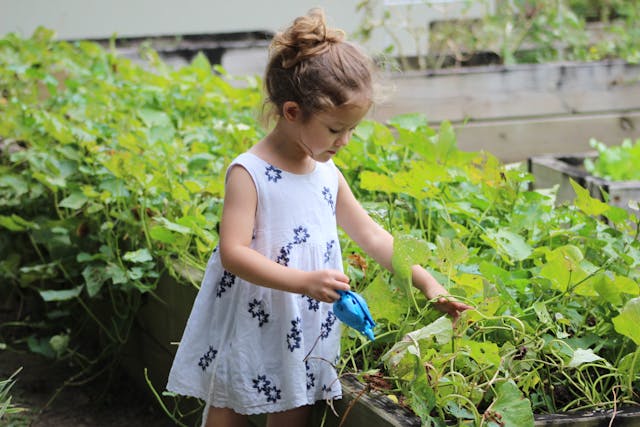
This private school in Warwickshire recommends gardening as it is an excellent outdoor activity that teaches children about plant biology, the environment, and responsibility. Start with simple plants that grow quickly, like herbs, sunflowers, or vegetables, to maintain your child’s interest. Allow your child to choose what they want to grow and involve them in every step, from planting seeds to watering and weeding.
This activity helps children understand the life cycle of plants and the importance of caring for living things. It’s also a great way to introduce concepts like photosynthesis, soil health, and the importance of pollinators. Plus, the satisfaction of harvesting what they’ve grown can be a huge confidence booster!
3. Outdoor Art and Crafts
Take creativity outside by using natural materials for art projects. Collect leaves, twigs, flowers, and stones to create collages, mandalas, or sculptures. You can also bring sketchpads and encourage your child to draw or paint the natural scenery around them.
Outdoor art and crafts allow children to express themselves creatively while appreciating the beauty of the natural world. It also provides an opportunity to discuss different textures, colours, and shapes found in nature, enhancing their sensory awareness and artistic skills.
4. Bird Watching
Bird watching is a wonderful way to teach children about wildlife, habitats, and ecosystems. Start by identifying common birds in your area and provide your child with a simple bird guidebook or app to help them spot different species. Bring along a pair of binoculars to make the experience more engaging.
As your child observes the birds, you can discuss their behaviours, diets, and migratory patterns. This activity encourages patience, attention to detail, and a deep appreciation for the diversity of life. It’s also a peaceful way to spend time together, fostering a sense of calm and connection with nature.
5. Nature Journaling
Encourage your child to keep a nature journal where they can record their observations, sketch plants and animals, and write about their experiences outdoors. Provide them with a notebook and some coloured pencils, and set aside time during your outdoor adventures for journaling.
Nature journaling helps children develop their writing and drawing skills while deepening their connection to the environment. It also encourages mindfulness, as they take time to observe and reflect on what they see and hear. Reviewing the journal entries together can be a great way to revisit and reinforce the lessons learned during your outdoor explorations.
Outdoor learning activities are not only educational but also a great way to bond with your child while fostering a love for nature. These activities—whether it’s a scavenger hunt, gardening, creating art, bird watching, or journaling—offer valuable lessons and memorable experiences that can’t be replicated indoors. By incorporating these activities into your routine, you’re nurturing your child’s curiosity, creativity, and appreciation for the natural world.


Leave a Reply