
Why your kids need real-world economics before high school
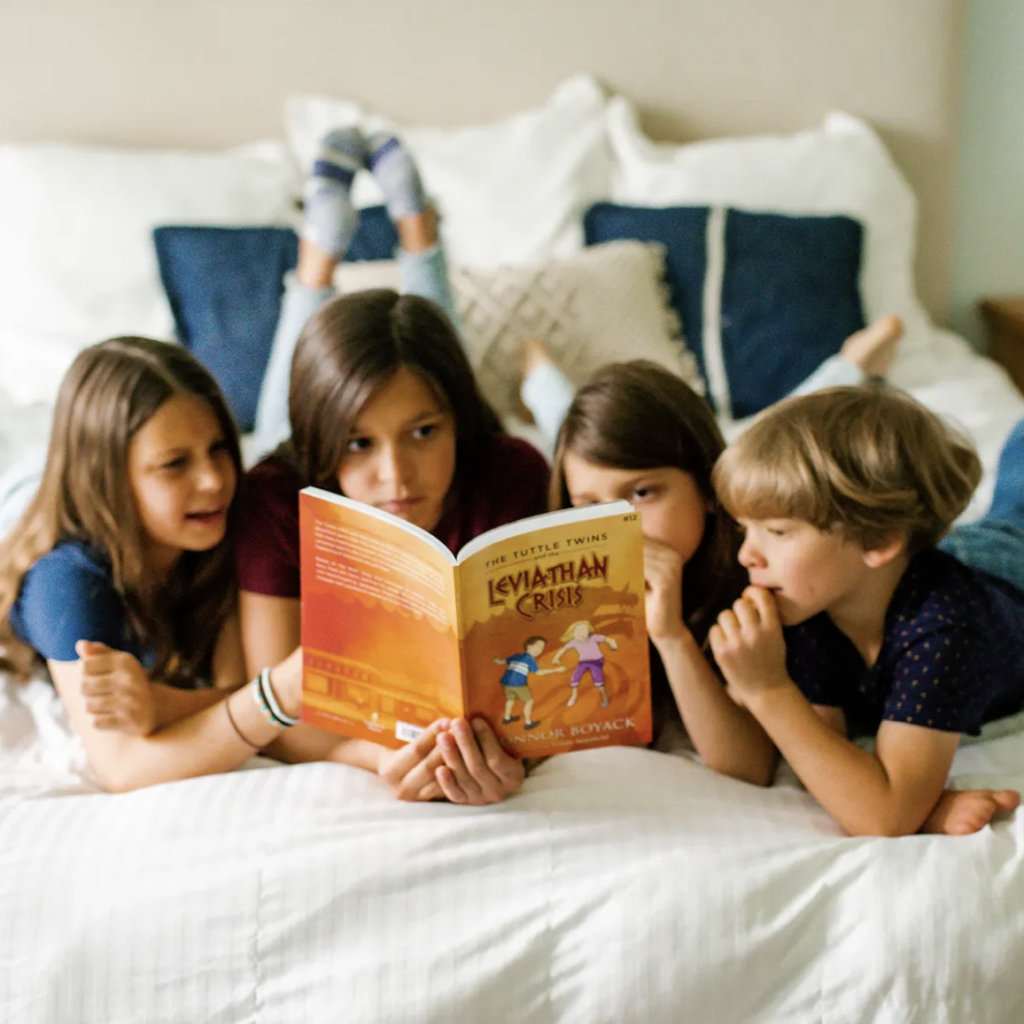
Aurelius and Grace have noticed some glaring gaps in their daughter’s education over the years, including economics, but they’ve taken matters into their own hands. Thanks to books like Tuttle Twins for kids, the couple has found some exciting and engaging ways to fill that gap. When it comes to economics, most high schools require kids to take at least one semester before they graduate, but kids who learn these concepts earlier are better prepared — for both school and life.
The benefits of teaching kids free market economics
There are many benefits of teaching kids free market economics. Concepts such as scarcity, budgeting, and supply and demand help them develop essential life skills, and kids who learn these concepts early on are ahead of the curve.
Of course, teaching the concepts of economics has clear benefits because kids will learn important ideas before anyone else in their grade. However, the advantages of teaching kids free market economics go far beyond the basics of inflation, central banking, supply and demand, and budgeting.
One benefit you may not realize when it comes to teaching kids free market economics is that these concepts enable kids to make better decisions. Kids who make economic choices every day are able to think critically about every decision and understand the trade-offs of each one. Essentially, economics is the study of making choices based on limited resources.

PHOTO: Tuttle Twins
How to teach kids about money using books
Books like Tuttle Twins for kids are an excellent way to start teaching your kids free market economics. The Tuttle Twins series will show you how to teach your kids about money in a fun, exciting way. The Tuttle Twins books also help you create special moments your kids will remember forever.
Tuttle Twins books like The Tuttle Twins and the Miraculous Pencil help with teaching kids free market economics by explaining how pencils are made from components that come from all over the world. The Tuttle Twins and the Search for Atlas shows what happens when all the producers give up and leave the market and socialism starts to take hold.
When you start reading any of the economics books in the Tuttle Twins series, it’s a good idea to pause periodically throughout the story and ask open-ended questions to further engage your kids in the story. The Tuttle Twins books wrap every lesson in a magical adventure they won’t forget, but increasing engagement even more helps them retain what they learn and relate it to the real world — while creating memorable moments with your kids.
Some examples of open-ended questions you might want to ask throughout the story are:
· What do you think the character will or should do next?
· What would you have done differently?
· How did their choices drive the consequences they dealt with later?
· How would the story change if it were set in a different time period?
· What was the most pivotal turning point in the story? How did it change the story’s direction?
· What real-world issue or theme does this story draw upon?
· Which message resonated with you the most and why?
· If you could interview the author, what’s the first question you would ask about the story?
As you learn how to teach kids about money, you’ll be able to develop your own questions based on how your kids think and learn. The more engaged your kids are, the more they learn, and the more they learn, the better prepared they will be for the future!


Leave a Reply