
Valuable tips on raising an independent child
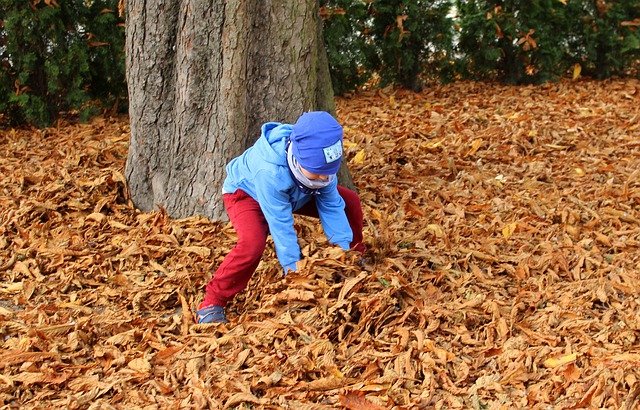
One mistake most parents make with their children is not giving them enough room to express themselves. Self-expression is an excellent way to get your child to exhibit independence, develop social skills and build confidence in their abilities. Some households interpret over-parenting as love, but experts say it may not be a healthy thing to do. Considering that about 100,000 children run away from home due to the oppressive nature of ‘over-parenting,’ you may want to learn some valuable tips to build your parent-child relationship the right way. This way, your child sees your willingness to encourage guided independence. On that note, consider the following tips.
1. Give your child age-appropriate responsibilities
The objective for this point is to focus on child-appropriate responsibilities they can handle without causing harm to themselves or others. An example is asking your child between ages five and ten years to tidy up their rooms.
This means picking up clothes strewn all over the floor, arranging clothing in their drawers, putting toys away in their rightful places, etc. Additionally, you can teach them to sort out the laundry when you’re handling it. If your child is already reading and writing, ask them to help you create the grocery list for the house. With this exercise, you get a rare opportunity to teach them how to commit to healthy food choices when shopping.
2. Give room for independent movement
When you have two to four-year-olds, there is a high chance of them following you everywhere around the house. That includes bombarding you with many questions every few minutes (sometimes, questions already answered). Instead of displaying frustration at this, you have creative options to explore. For example, get them age-appropriate bicycles or other safe mobility-enhancing tools they can spend time on. Trikes or tricycles are excellent for younger kids who have yet to learn to balance on two-wheeled bikes.
Bicycles, tricycles, self-driven mini toy cars, etc., will encourage children to move around as a form of fun. For younger children, riding within the home or the immediate perimeter of the house (with supervision) boosts their sense of independence. Older kids from ages nine to twelve can ride around the neighbourhood to socialise with their peers. However, teach them to be wary of strangers.
3. Teach them to resolve issues on their own
Instead of coming to their rescue every time they encounter a problem at school, child psychologists say you can consider strategic guidance. This involves helping them appreciate different perspectives and the essence of thinking through situations. These problems may be with school friends or siblings at home. Whoever the target is, provide your child with the right tools to resolve these problems on their own while you provide support from the sidelines. This way, they learn to appreciate the repercussions of their actions. More importantly, it helps you avoid intervening needlessly.
To conclude, be mindful of the over-parenting traits you exhibit. Admittedly, it can be unclear knowing whether you’re doing too much or too little. Hopefully, you will be guided by these few points on your journey to make your child independent.


Leave a Reply