
The ultimate guide to children’s scooters
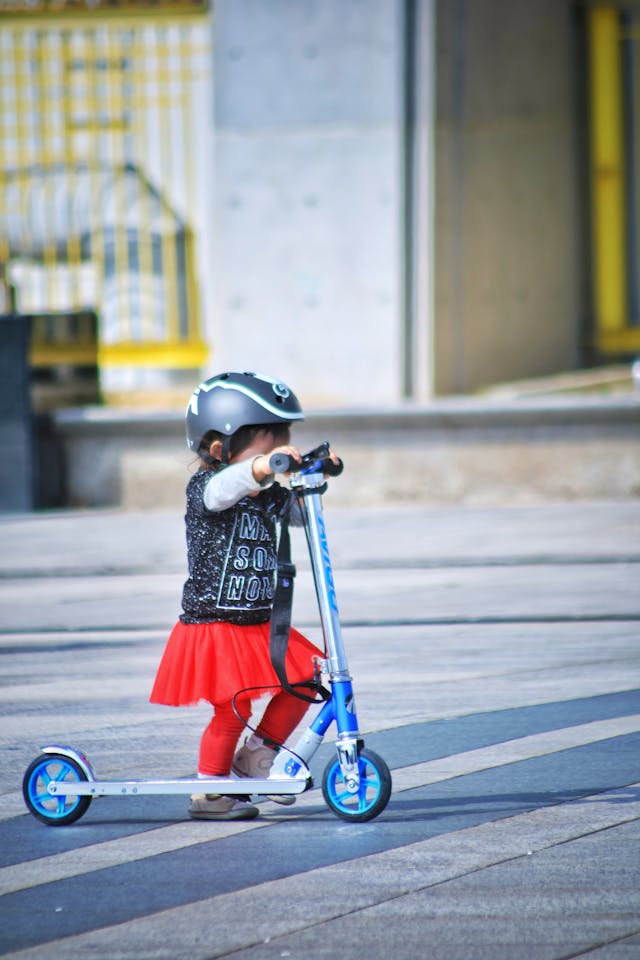
Scooters aren’t just a fun outdoor toy – they’re a popular mode of transportation for kids of all ages, helping them to travel to and from school or hang out with friends.
While children’s scooters are often a more affordable alternative to bicycles, and easier to ride for younger kids, there are so many options that it can be hard to choose one.
If you’re researching children’s scooters to find out more about them and how you can find the best scooter for your child, this guide is here to help you – explaining everything from health benefits and safety tips to the types of scooters you should look out for.
Read on to find out everything you need to know when buying a children’s scooter!
Benefits of scooters for kids
The biggest benefit of letting your child ride a scooter is that it helps them to get the exercise they need, ensuring they become strong and fit as they grow up.
The NHS recommends that children between 5 years old and 18 years old should do at least 60 minutes of physical activity every day, and scootering is a great way to meet this target – having fun and improving cardiovascular health at the same time.
Anything that gets kids to cut down their screen time and socialise with other kids outside – enjoying fresh air and sunlight – is surely a win for parents and guardians!
When little kids start riding a scooter from a young age, it can also help them to develop various motor skills – from gripping the handlebars to steer to balancing on the footplate while using one foot to push off into a glide or bring the scooter to a stop.
This hand-eye and foot-eye coordination development will come in handy for various physical activities as they grow, from riding a bike to playing sports, as well as giving them the confidence to try new things and learn to get better at them.
So, scooters are great for your child’s wellbeing, but which type would be best for them?
Types of children’s scooters
Much like electric bikes, electric scooters are becoming popular for adults and teens who need to get around fast – but when it comes to children, the safest model is the traditional kick scooter, which is propelled by the rider’s motion.
Within the category of kick scooters, there are multiple different types, which can mainly be divided into two-wheel scooters and three-wheel scooters.
3-wheel scooters
Three-wheel scooters are typically seen as ‘beginner’ scooters for very young children, suitable for riders aged 3 years and up. They can have a wheel at the front and two at the back, or two wheels at the front and one at the back for more stability.
They also tend to have a lean-to-steer mechanism instead of the turn-to-steer style that bicycles use, allowing kids to steer intuitively by shifting their weight and to gain confidence as they learn how to balance on their scooter and direct its movements.
Three-wheel scooters often have larger wheels and wider decks, too, making it easier for little ones to stay on the sturdy scooter and ride smoothly and safely.
2-wheel scooters
Also known as ‘in-line’ scooters, a 2-wheel scooter is the next step up from a 3-wheel model, usually recommended for older children – though kids can ride a 2-wheel model from 5 years and up if they’ve developed their skills enough to do so safely.
This is the most widely recognised scooter design, with one wheel at the front and one at the back, which are usually smaller and narrower for a more streamlined ride.
They also use the twist-to-steer mechanism found in bikes, where the rider turns the handlebars to the left or right to direct the scooter. This can be trickier to do, so there’s nothing wrong with sticking to a 3-wheel model if it fits their height and weight range.
Styles and accessories
As with any type of play equipment, scooters come in all kinds of shapes, sizes, and colours. Children’s scooters tend to prioritise eye-catching colours, so your child can choose their favourite shade to reflect their personality.
Some models may also come with accessories to enhance the scootering experience, or have accessories available to purchase separately, such as handlebar tassels, baskets, bells, horns, or lights. Some brands even have the option of motion-powered LED wheels, which light up in fun colours as the scooter moves!
Or, if convenience is an important factor, it can be beneficial to look for a folding scooter – a children’s scooter with a handlebar stem that folds up against the footplate for ease of transport, which may also have an attachable carry strap for this purpose.
Safety tips for children’s scooters
While the style of the scooter can be flashy, it’s more important to consider the quality of the product and prioritise safety features to reduce the risk of injury.
Of course, a few falls and occasional bumps and scrapes are commonplace when kids are playing outside on scooters, so it can help to invest in a well-fitting helmet and protective pads for the knees and elbows, too.
When browsing children’s scooters with safety at the forefront, you should look at the:
- Handlebars – are the grips made of a comfortable non-slip material?
- Wheels – how many wheels, how big are they, and how are they positioned?
- Weight limit – what is the weight limit for a child to be able to ride the scooter?
- Height limit – how tall is the handlebar stem, and can it be adjusted?
Adjustable handlebars are one of the most important features to look out for, as the stem can be moved up or down as needed to a height that’s safe for your child specifically – allowing them to continue using the scooter as they grow.
It’s also essential to make sure you teach your child how to ride their scooter correctly, as instructed by the manufacturer, to minimise the possibility of accidents.
Choosing the right children’s scooter
When choosing a scooter, you’ll need to find a model that suits your child’s size and abilities. Their height, weight, and skill levels are more of a consideration than their age (though, of course, a child’s age usually affects these factors).
As discussed above, it’s often best for younger children or first-time riders to start with a three-wheel model, with the option of upgrading to a two-wheel model when they’re older and more confident and skilled at scootering.
Another factor we haven’t mentioned yet is the purpose of the scooter and where they’ll be using it – is the model suitable for riding on pavements, dirt paths, or grass areas?
Finally, once all of the advice in this guide has been taken into account and you’re narrowing down your choices, be sure to check reviews for the brand and model before committing to them, ensuring they’re reliable and provide high-quality products.
It can help to order a children’s scooter from a reputable provider of outdoor play equipment for kids, like Wicken Toys, who even have a physical site where families can visit and children can test out the toys for themselves before choosing their favourite.
With help from this handy guide, your child could be scootering safely to their heart’s content before you know it!


Leave a Reply