
The joy of homegrown vegetables: Starting a kitchen garden with your kids
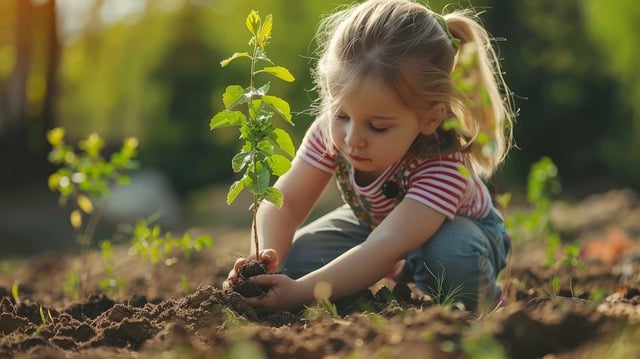
Growing your own vegetables offers numerous benefits, from enjoying fresh, organic produce to teaching children valuable life skills. Starting a kitchen garden with your kids can be a fun and rewarding experience for the entire family. It fosters a sense of responsibility, patience, and a deeper connection to nature. Engaging children in gardening also provides an excellent opportunity to spend quality time together.
Picking a spot for your veggie garden
Selecting the right location for your kitchen garden is crucial. Look for a sunny spot in your backyard or even on a balcony, as most vegetables require at least six hours of sunlight daily. Ensure the area has good drainage to prevent waterlogging, which can harm your plants.
Involve your children in choosing the spot. Let them observe how the sunlight moves throughout the day and discuss why certain areas might be better for growing plants. This makes them feel invested and excited about the project from the very beginning.
Picking the perfect plants
Start with easy-to-grow vegetables to keep the experience enjoyable and motivating for your kids. Tomatoes, radishes, lettuce, and carrots are great options. These vegetables are relatively low-maintenance and have quick growing cycles, which keeps young gardeners engaged.
Visit a local nursery or garden centre with your children and let them pick out the seeds. This gives them a sense of ownership and enthusiasm about what they will be growing. Explain the basics of each plant’s needs, helping them understand how different plants require different care.
Creating a fun gardening routine
Establish a regular gardening routine to keep the momentum going. Set aside specific times each week for planting, watering, and weeding. Make these sessions short and engaging to match your children’s attention spans.
To protect your plants and extend the growing season, consider investing in greenhouses for sale. Greenhouses create a controlled environment, making it easier to manage pests and weather conditions. Many retailers offer a variety of options that can fit different garden sizes and budgets.
Learning through gardening
Gardening is an excellent educational tool. Use it to teach your kids about plant biology, weather patterns, and the importance of biodiversity. Discuss the role of bees and other pollinators in the garden, and maybe even start a small compost pile to show the process of decomposition and soil enrichment.
Encourage your children to keep a gardening journal. They can draw pictures of their plants, note down observations, and track the growth of their vegetables. This not only reinforces their learning but also provides a wonderful keepsake of their gardening journey.
Harvesting and enjoying the produce
The ultimate reward of a kitchen garden is enjoying the fruits of your labour. Let your kids take the lead in harvesting the vegetables they’ve nurtured. Teach them how to identify when produce is ready to be picked and how to do it correctly.
Incorporate the harvested vegetables into your meals. Involve your children in cooking, showing them how fresh produce can be turned into delicious dishes. This strengthens the connection between growing food and eating healthy, fostering a greater appreciation for homegrown vegetables.
Final thoughts
Starting a kitchen garden with your kids is a delightful way to bond and impart valuable lessons. It’s a project that combines education, responsibility, and fun, leaving you with fresh, homegrown produce and cherished family memories. So grab those seeds, get your hands dirty, and watch as your garden—and your children—grow.


Leave a Reply