
How to make your exterior paint last longer
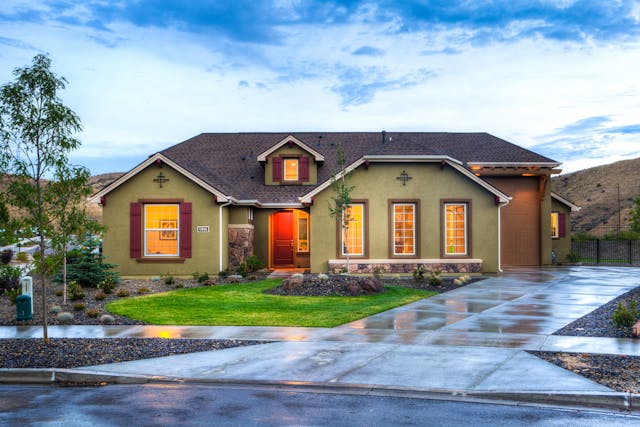
Exterior paint adds beauty and character to your home and is a critical defense against weather, insects, and other environmental factors. A combination of quality materials, proper application, and regular maintenance is key to ensure longevity and maintain its vibrant appearance.
In the following sections, we’ll explore effective strategies to prolong the life of your exterior paint, protect your investment, and keep your home looking its best for years to come.
Quality materials
Using high-quality materials is essential for ensuring exterior paint longevity. This includes investing in top-grade paint and quality brushes, rollers, and other application tools. High-quality paints are more durable and resistant to fading, cracking, and chipping over time.
They also tend to have better coverage and require fewer coats than cheaper alternatives. Additionally, using high-quality application tools will help ensure a smooth and even finish, preventing premature wear and tear on your paint.
Proper application
Proper application techniques are just as important as using quality materials when extending the life of your exterior paint. This includes preparing the surface properly by cleaning, sanding, and priming before applying the paint. It’s also crucial to follow the manufacturer’s instructions for application, including the recommended number of coats and drying times.
Another key aspect of proper application is choosing the right time and weather conditions for painting. Avoiding extreme temperatures or humidity can help your paint dry properly and adhere to the surface more effectively.
Regular maintenance
Even with top-quality materials and proper application, regular maintenance is necessary to keep your exterior paint looking its best. This includes cleaning off dirt and debris, checking for any signs of damage or wear, and touching up any areas needing it.
It’s also essential to regularly inspect the caulking around doors, windows, and other areas where water can seep in and cause damage. Replacing old or damaged caulk can prevent water damage and extend the life of your paint.
How to paint the exterior of your home
To paint the exterior of your home effectively, follow these essential steps:
- Choose the Right Day: Look for a day with mild temperatures, low humidity, and no precipitation forecasted.
- Surface Preparation: Thoroughly wash the exterior surface to remove dirt, grime, and peeling paint. Fill in any cracks and sand the surface as necessary.
- Taping and Covering: Use painter’s tape to protect window frames, door handles, and other fixtures. Cover bushes, decks, and walkways with drop cloths.
- Priming: Apply a high-quality primer to ensure paint adhesion and increased durability.
- Painting: Start from the top and work your way down, using smooth, even strokes. Apply the paint in sections, maintaining a wet edge to prevent lap marks.
- Second Coat: After the first coat has dried based on the manufacturer’s recommended time, apply a second coat if necessary for even coverage and added protection.
- Detailing and Touch-ups: Remove the painter’s tape before the paint is completely dry to avoid peeling. Touch up any missed spots with care.
- Cleanup: Clean your brushes and tools thoroughly. Remove all coverings and dispose of them properly or store them for future use.
Additional factors to consider
- Climate Considerations: Choose paint and appropriate primer for your local climate conditions. Some formulations are better suited for high humidity, salt air, or extreme temperatures.
- Color Choices: Lighter colors may last longer since they reflect more UV radiation than darker shades, which can quickly fade and deteriorate.
- Landscaping Effects: Be mindful of the foliage around your home. Overhanging branches or shrubs frequently brushing against the house can wear away paint and should be trimmed back.
- Moisture Management: Ensure good drainage around your home to prevent standing water, which can lead to paint blistering and peeling.
- Personal Safety: When working on ladders or at heights, always prioritize safety. Use proper equipment and never paint in conditions that could increase the risk of a fall.
- Environmental Responsibility: Consider eco-friendly paints with low volatile organic compounds (VOCs), and ensure that paint disposal is handled environmentally safely.
- Architectural Details: Special attention should be paid to detailed trim and decorative elements, often requiring more precise painting techniques.
- Future Touch-Ups: Save your paint type, color, and batch number for future touch-ups or color matching. Properly label and store leftover paint in a dry, cool area for future use.
Conclusion
With the right approach, you can extend the life of your exterior paint and keep your home looking beautiful. Remember to use high-quality materials, follow proper application techniques, and prioritize regular maintenance to protect your investment.
Consider all factors affecting your exterior paint and take necessary precautions to ensure its durability. With these tips in mind, you can enjoy a vibrant and well-protected home for years to come.


Leave a Reply