
5 (valuable) tips to help your child develop their vocabulary
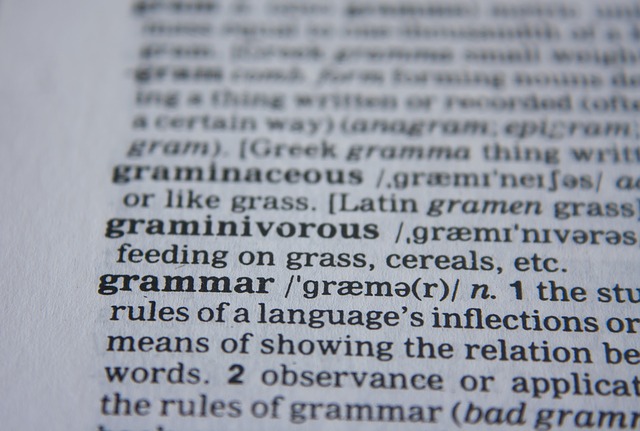
It’s important for children to have a strong vocabulary, to support their written and verbal communication. It will also help them with reading comprehension and allow them to think and learn about the world. There are lots of things that parents can do to help their child develop a strong vocabulary, as explored below by a day nursery in Chelsea.
1. Talk to your child from a young age
This may sound obvious, but lots of parents refrain from talking to their children too much when they’re not old enough to respond. However, talking to your child, even when they can’t reply, is great for their learning; a baby’s brain is developing and absorbing information, so it’s certainly something you should do often.
2. Don’t dumb it down
You might feel like dumbing down your terminology when talking to your child, but this won’t help them learn. Instead, speak to them as you would speak to an adult and if they don’t understand something you say, you can always explain it to them.
3. Read to your child
Reading is a great way to help your child learn new words and phrases. Whilst you’re reading to your child, if you come across a word they don’t understand, teach them what it means and perhaps consult a dictionary. This should help them remember the new word going forward. Then you can help them apply it to a sentence.
4. Build a word wall
If you have posters up in your child’s bedroom or playroom, why not add a word wall? Every time they come across a new word, add it to the wall so that they don’t forget it. If you don’t like pinning things up on the wall, maybe you could invest in a white board instead.
5. Teach your child synonyms
Once your child has grasped the meaning of a new word, teach them some synonyms. These are words that have the same meaning, such as: happy, joyful, cheerful, content etc. You can turn this into a game of who can come up with the most synonyms.


Leave a Reply