
Why young children need more time to play (and why we keep forgetting it)
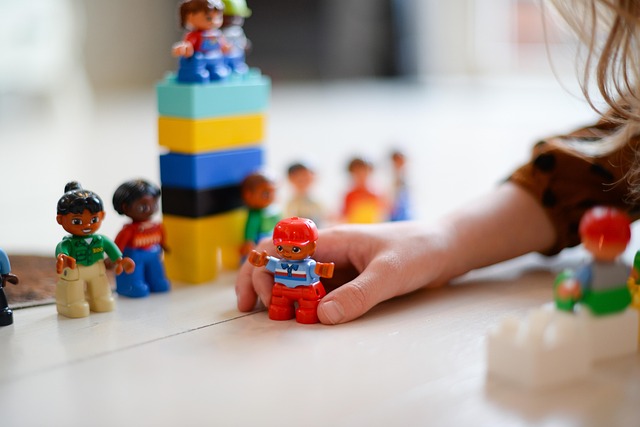
Play is serious business. Not in the way adults often mean when they call something serious – not pressured, competitive or outcome-driven – but serious in the sense that it matters deeply. For young children, play is not a break from learning. It is the primary vehicle through which learning happens, and the research supporting this is both extensive and compelling.
What actually happens during play
When a four-year-old arranges small figures and narrates an elaborate story, they are developing language, sequencing, character theory and narrative structure simultaneously. When a six-year-old negotiates the rules of a made-up game, they are practising social reasoning, conflict resolution and communication. When a child builds a structure that falls down and builds it again, they are engaging in the kind of iterative problem-solving that underpins scientific thinking.
The evidence is remarkably consistent
Decades of developmental research consistently show that children who have ample opportunity for self-directed, unstructured play develop stronger executive function, better emotional regulation, more sophisticated language skills and greater creativity than those whose time is more heavily scheduled. Executive function – the cluster of skills that governs planning, focus, self-control and mental flexibility – is a better predictor of adult success than IQ, and it is built through play.
Why we keep squeezing it out
The pressure to accelerate academic learning in early childhood comes from several directions. Parental anxiety, competitive admissions processes and a cultural tendency to equate busyness with productivity all contribute. Schools that prioritise a play-based early years curriculum often face the challenge of explaining to anxious parents why their child is spending time in the sandpit rather than practising phonics. The answer, backed by evidence, is that both are contributing to the child’s development – in different and complementary ways.
Bishops Gate School believes strongly in the whole-child approach to early education, where play and structured learning work together. Read about their early years philosophy and curriculum to see how this comes to life in practice.
Outdoor play is particularly important
Not all play is equally beneficial, and outdoor play – with its physical demands, sensory richness and open-ended possibilities – is particularly powerful for young children. Time spent climbing, running, digging, balancing and exploring in natural environments develops gross motor skills, spatial awareness, risk assessment and a relationship with the natural world that matters throughout life.
What parents can do
Prioritising play does not mean abandoning structure or discouraging learning. It means ensuring that children have protected time in which they can follow their own curiosity, make their own choices and engage in the kind of deep, absorbed, imaginative activity that formal instruction cannot easily replicate. Resist the urge to fill every moment. Leave space for boredom to tip into invention. Trust the process.
Play is not something children do when the important work is finished. It is important work, particularly in the early years. The children who are given the time, space and freedom to play well are building the foundations of a genuinely capable, curious and emotionally resilient adulthood.


Leave a Reply