
Roof decking and its benefits: Everything you need to know
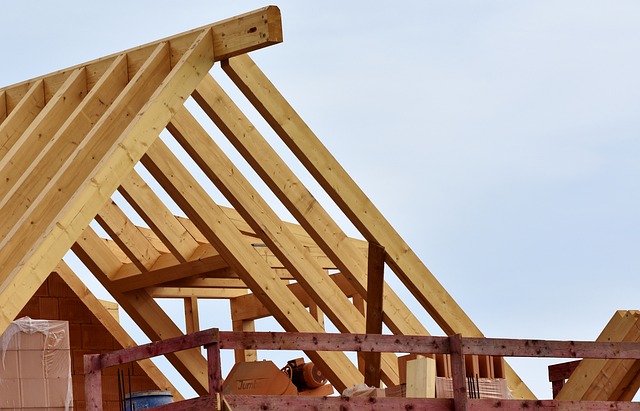
Roof decking, also known as sheathing, is the foundation for the roofing materials on your home and is a critical component of your roof’s structural integrity. Typically made from materials like plywood or oriented strand board (OSB), roofing decks are essential for providing a stable and flat surface upon which shingles, tiles, or other roofing materials can be applied.
In this article, we’ll discuss the importance of roof decking and its benefits for your home.
Importance of roof decking
Roof decking is a crucial element in the construction of any building as it plays a vital role in supporting the weight of the roofing materials, protecting the structure from weather elements, and providing insulation.
Without proper sheathing, your roof would not be able to withstand heavy rain, snow, or wind. It also helps to distribute the roof’s weight evenly throughout the structure, preventing any sagging or damage over time.
Additionally, roof decking provides a smooth surface for roofing materials to be applied, ensuring a clean and professional-looking finish. It also serves as a barrier against moisture, preventing it from seeping into your home and causing potential water damage.
Types of roof decking
There are several types of roof decking materials available, each with its own advantages and disadvantages. The most common types include plywood, OSB, and tongue-and-groove boards.
Plywood is made from thin layers of wood veneer that are glued together, with the grains running perpendicular to each other. This creates a strong and durable material that is less likely to swell, warp, or shrink with changes in temperature and humidity.
On the other hand, OSB is made from compressed wood strands bonded together with resin. It is a more cost-effective option than plywood but is not as resistant to moisture and can swell or deteriorate over time.
Tongue-and-groove boards are solid wood planks that interlock with each other, creating a tight and secure surface. They are known for their excellent durability and resistance to moisture, making them a popular choice for roof decking.
Benefits of roof decking
Properly installed roof decking offers numerous benefits for your home, including:
- Enhanced structural integrity: As mentioned earlier, roof decking provides support and stability to the weight of your roofing materials, ensuring the overall structure of your home remains strong and secure.
- Improved energy efficiency: Roof decking also acts as an insulator, helping to regulate the temperature in your home and reduce energy costs. It can prevent heat from escaping during colder months and keep your home cool during hot summers.
- Longer lifespan for roofing materials: By providing a stable base for roofing materials, roof decking helps to extend their lifespan. This means less frequent repairs or replacements, saving you time and money in the long run.
- Protection against weather elements: Roof decking acts as a protective layer between your home and the outside elements, such as rain, snow, and wind. It helps to prevent water damage, mold growth, and other potential issues caused by moisture.
Additional factors to consider
When selecting and installing roof decking, several additional factors warrant careful consideration. The following list details key elements to examine:
- Climate and Weather Conditions: The climate of your region significantly influences the choice of decking material. In areas with heavy snowfall or rainfall, materials with higher moisture resistance, like tongue-and-groove boards, might be more suitable to prevent water damage.
- Roofing Material Compatibility: Ensure the decking material is compatible with the type of roofing you plan to use. Some materials may require a more solid base, such as tongue-and-groove boards, for proper installation and durability.
- Local Building Codes: Adherence to local building codes is vital. These regulations may dictate the required thickness, material type, and installation method for the decking, which can vary by region.
- Ventilation Requirements: Proper ventilation is crucial to prevent moisture buildup and to maintain energy efficiency. Ventilation needs to be factored into the decking design to support a healthy roof environment.
- Load Bearing Capacity: The weight of your chosen roofing materials dictates the required strength of the decking. High-weight options like clay or concrete tiles need a decking material strong enough to support the extra load without the risk of sagging or breaking.
- Installation Costs and Labor: The complexity and cost of installation can differ between materials. Understanding the labor costs and installation process can influence your decision, depending on your budget. If you have any concerns about the installation process, it’s best to contact roof decking professionals.
- Long-Term Maintenance and Repair: Consider the long-term maintenance requirements and ease of repair for the decking material. Some options offer lower upfront costs but could lead to higher maintenance expenses over the lifespan of the roof.
Conclusion
Roof decking is a crucial component of your home’s roof structure, providing support and stability to the weight of your roofing materials while protecting against weather elements. Choosing the right material for your decking can significantly impact the lifespan and performance of your roof, so careful consideration is necessary.
By understanding the importance and benefits of proper roof decking, you can make an informed decision that meets both your needs and budget.


Leave a Reply