
Helping immigrant kids speak better: A parent’s guide
As an immigrant parent or Foster carer, you can help immigrant kids speak better with a comprehensive understanding of how they learn. Fortunately, it’s easier for kids to learn another language, so from using pictures and examples to code-switching, here are some suggestions.
Include language education in screen time
Kids love tech, and they always seem to have their heads buried in tablets and phones. So why let all that screen time go to waste? Some of their screen time can be used for learning, and it won’t even feel like school with the right tools. For example, certain tools using real-time language processors include the use of voice AI in language education. This can help kids learn literacy and other subjects in their native and second language from as young as two years old.
Development with picture books
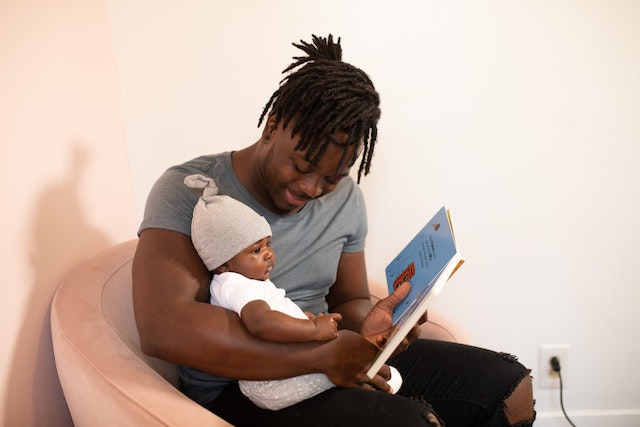
One of the earliest ways we learn is by associating imagery with sounds. Picture books are excellent for this, and most of us can remember going through these at preschool. These are well-suited for children because they are a fun activity by their nature. However, they also offer engaging content provided in a fun way. Stories are short but to the point, and the visual nature helps kids form language associations almost immediately, which they can then recall later.
Make use of writing skills to help spoken language
Writing is, of course, a massive part of language development, and children who cannot write well will struggle more when it comes to understanding certain topics. It is also much easier to develop reading and writing skills in a young mind because there are many more neurons that can form language connections. As such, it is estimated that around 66% of culturally diverse kids around the world can speak more than one language due to sound and symbol association.
Using everyday examples for code switching
You may not have heard of code-switching, but it’s not as complex as it sounds. This refers to using words from two or more languages interchangeably and is common in households where families are bi or multilingual. It might sound counterintuitive, but doing this can help solidify an understanding of languages because you learn multiple ways to say the same thing. For example, an Italian-American family might cook using certain words like “pollo” for chicken.
Understand that kids learn quickly
You may have struggled to learn a new language as an adult. But children often don’t have such a hard time when it comes to learning more than one spoken language. There are 100 billion neurons in a baby’s brain, which begins to degrade after 18 months. But this takes years, and kids have many more than adults. This means that they are able to learn new things at a rapid pace and form stronger brain connections, making childhood the perfect time for bilinguals.
Summary
Language education, such as AI tools, can help immigrant kids speak better with more than one language. Paying attention to reading and writing also helps solidify language learning. And beginning a bilingual approach works better when kids are younger with more brain neurons.


Leave a Reply