
What is the difference between mono and stereo sound?
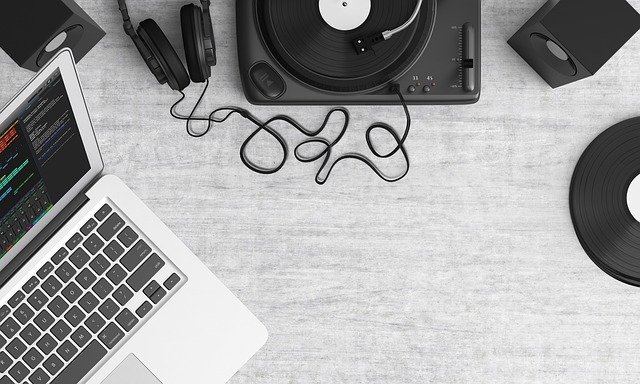
You must have quality sound for your favorite movies/television shows, music, or video games. The differences between mono and stereo sound have been debated for years. Some people prefer stereo, while others are more prone to use a mono system. Here are some of the differences between mono and stereo sound.
Mono Sound
Mono sends one signal to the left and right speakers. Pretty much this sound is optimized for clubs, restaurants, and bars. They do this to avoid phase cancellation and other problems from separating the sound between two channels.
In the recording process, it may be better to mix in mono because there’s better balance. Even if you’re trying to get Santa Monica car sound, you should consider how mono would affect your audio experience.
Industry veterans may prefer mono may translate more in other speakers. The better the balance, the more you’ll get hear to specific elements that can make for better playback through the speakers. Once you’ve got the mono down, it’ll translate better when you switch it to stereo.
Additionally, mono is cheaper when trying to record or produce. It’s easier to do because you only need one channel to get the sound. Also, you need just one microphone instead of two. Here are some of the benefits of mono sound.
Doing a Solo Recording
If you’re a singer or rapper, you may not want to be disturbed by all of the external sound input from other speakers. When you’re recording your vocals, you can get that deep sound straight from one microphone. The fuller and more direct sound will help you lock into a specific pocket.
Specialized Signal
When you have a quality sound system, listeners can hear at the same level. Whether you’re trying to create a speech or have a podcast, it may be better to use mono sound. More people are used to the mono playback. Some may even use just one ear to listen through their headphones while working out or going for a walk to help them stay more alert.
Additionally, they would appreciate the smaller download size because they don’t have to wait as long to get the file.
Great for Vintage Sounds
Whether you’re a record collector or someone that appreciates the old jukebox machines, Mono sound would be ideal. Remember, artists didn’t record in stereo until the 1960s and 1970s. Look at the history of music and see how they had many mono recordings because there was one speaker through the record player or radio.
Mobile Phones
Even with how advanced mobile technology has come, the sound with smartphones isn’t usually in stereo. There’s not enough space to separate the audio. If you’re making a song for a mobile device, it’s best to use mono sound. For people that want to get the sound from the internal speaker, it’s more optimal to record in mono.
Stereo Sound
Stereo sound comes from two different signals (one for each speaker). The purpose of having stereo is to create more depth, direction, and simulation of real space. These days it’s about having a wide range of sound.
If you’re watching a movie or playing a video game with background sounds, you want to hear them. It gives you a more realistic feel than mono.
Whether you’re a producer or sound engineer, you want the stereo sound separating things from the vocals, bass, chords, and other instrumentation for a cleaner pitch. It’ll make it easier to dissect each part, so the final mix sounds clean and balanced.
A good producer knows how to use the stereo field when mixing the track. It’ll help the sound stay wide but focused. You need good unison at work to combine the elements of a song properly with both the vocals and the instrumental.
LCR and 50/50 Panning
When it comes to using stereo sound, you want everything to mesh together in one quality track. The bass, vocals, and snare should be at 100%. However, the acoustics, percussion, horns, guitars, and other instruments should be around 50%.
Also, you want to have some instruments play on the left speaker and the others on the right speaker. It creates a better range of sound and doesn’t feel distorted. Remember, the vocals should be the most prominent because people want to hear their favorite artist sing, rap, or harmonize on the song.
The more you start panning things, the better chance you’ll have to add different elements to the song. You space everything out to allow the sonics to breathe.
If you’re using two artists on one track, it’s better to have stereo sound. You want to get the difference in volume on the track as well. For something like stereo surround sound, you need at least five speakers put in the right place to give it that surround effect.
Here are some of the benefits of having stereo sound.
Better Sound Control
Unlike mono, you can change the levels with the left and right speakers. More advanced techniques create a more natural sound as well.
Multiple Stereo Microphone Techniques
Depending on your tastes, you may want to try different microphone techniques to get the best recording.
The XY technique allows you to get a stable directional image but a weaker reverb.
AB Stereo has more spacing with omnidirectional microphones. Even with using the low-frequency response, it’s less distorted than other setups.
The Haas Effect has a powerful interaural time difference. You can send a signal between the left and right speakers and gradually bring it to one speaker. It helps you separate the sound for a cleaner mix.
The MS technique is more precise because you use a bi-directional (left and right sounds) and cardioid microphone (the core sound source).
If you’re looking for a rich sound, mono would be ideal. However, stereo works best for getting volume differences. Find out what definitive sound you need for your recording to help you gauge the best option.


Leave a Reply